Strategies for Preventing Bed Bugs: Keep Your Home Free of Pests With These Strategies
Bed bug invasions can disturb a household, creating anxiety and unease. Recognizing their habits and applying preventive strategies is crucial. From maintaining cleanliness to conducting regular inspections, there are various methods that can successfully lower the likelihood of these nuisances. Additionally, precautions while traveling can further safeguard against bringing bed bugs home. What targeted measures can property owners adopt to confirm their living areas are protected from these troublesome pests?
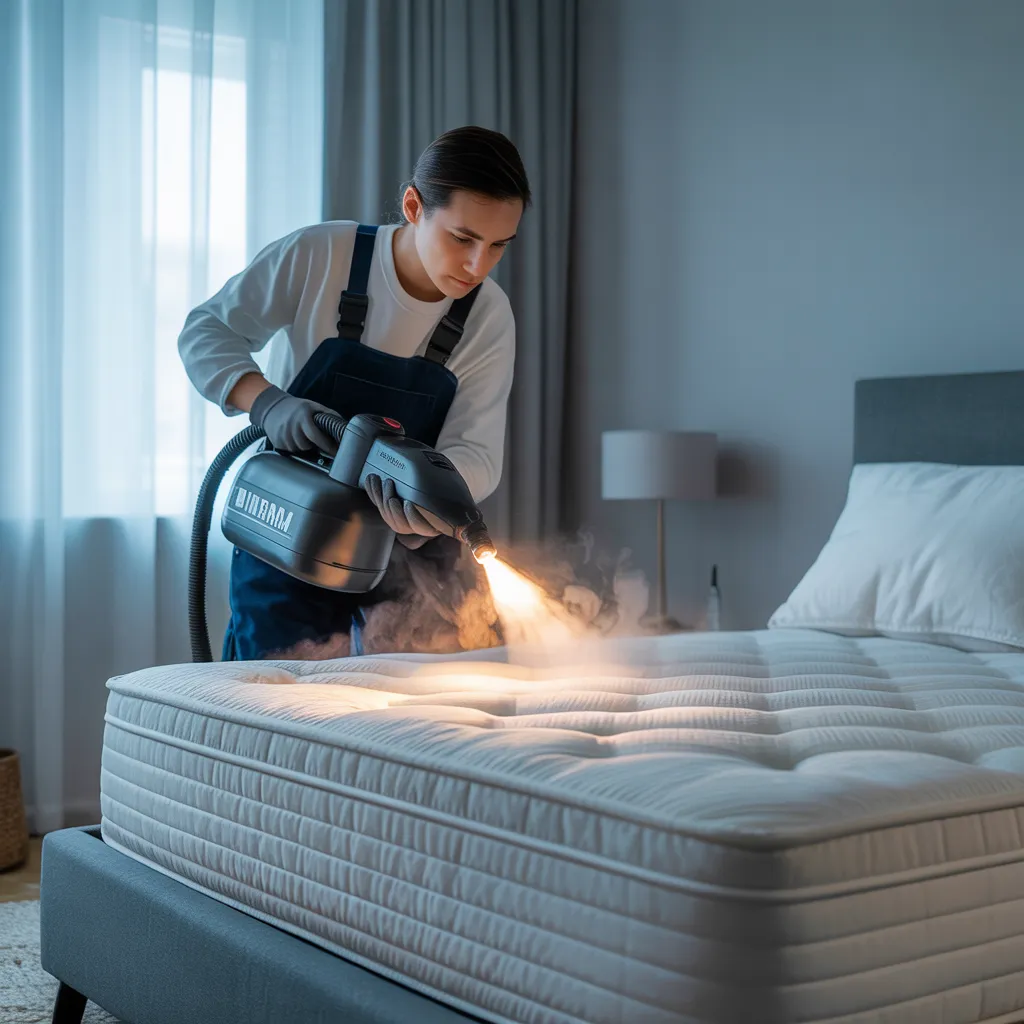
A Guide to Understanding Bed Bugs: Identification and Behavioral Patterns
Bed bugs, diminutive nocturnal insects notorious for feeding on blood, create considerable problems for homeowners and travelers alike. These creatures are generally brown, flattened, and oval in form, measuring roughly 4 to 5 mm long. Their ability to hide in tiny crevices makes them particularly insidious. Bed bugs are most active at night, emerging from their hiding spots to feed on the blood of sleeping humans or animals.
The bed bug life cycle is made up of a number of stages: the egg stage, nymph stage, and adult stage, with females known to lay hundreds of eggs over the course of their lifetime. Their behavior is largely driven by the pursuit of food, and they are lured by the carbon dioxide and heat produced by nearby hosts. Knowing these behaviors is vital for effective identification and management, as timely detection can significantly lower the risk of a severe infestation.
Critical Cleaning Habits to Keep Infestations at Bay
Proper cleaning routines play a crucial part in keeping bed bug infestations at bay. Consistently vacuuming carpets, rugs, and upholstered furniture assists in eliminating any bed bugs and their eggs. Using a vacuum equipped with a HEPA filter is highly recommended and to promptly discard the vacuum bag in a tightly sealed plastic bag to avoid any reinfestation.
Washing bedding, linens, and clothing in high-temperature water at least once a week is another key practice, as intense heat can kill bed bugs and their eggs effectively. Running these items through a high-heat drying cycle for at least 30 minutes strengthens this preventive approach.
Furthermore, minimizing clutter in your home minimizes harborage areas for bed bugs, enabling residents to copyright a pest-free environment. Consistently checking and tidying areas like furniture edges, closet interiors, and baseboards further contributes to effective prevention, creating an inhospitable setting for bed bugs.
Regular House Checks for Bed Bugs
How can regular inspections contribute to a bed bug-free home? Regular home inspections are essential for the early identification and prevention of bed bug problems. Through careful inspection of sleeping areas, furniture, and typical hiding locations, homeowners are able to spot bed bug indicators like shed skins, fecal marks, or live bugs. These inspections should be performed every few months, particularly in high-risk areas like bedrooms and living rooms.
Moreover, engaging all household members in the copyrightination process encourages awareness and vigilance, allowing it to be simpler to spot potential problems at an early stage. Utilizing equipment including handheld lights and magnifiers can enhance these copyrightinations, facilitating a more detailed copyrightination. In the end, a preventative strategy through regular inspections makes certain that any pest occurrence is handled promptly, avoiding the requirement for more comprehensive and expensive elimination efforts in the future.
Travel Tips: How to Avoid Bed Bugs?
Even though traveling can be a fulfilling endeavor, it also creates chances for bed bugs to hitch a ride. To reduce the chances, travelers should adopt some protective practices. First, checking hotel rooms as soon as you arrive is highly recommended; inspect the seams of beds, headboards, and room furniture for any evidence of bed bug activity. Keeping luggage elevated and away from the bed can additionally minimize the risk. It is advisable to use hard-sided luggage, as bed bugs are less capable of infesting these types of surfaces.
Furthermore, those traveling should think about packing apparel in sealed plastic bags. Laundering garments in warm water upon arriving back home can eradicate any possible pests. When selecting lodging, choosing hotels with positive reviews regarding pest control and cleanliness can also prove helpful. By being vigilant during travel, travelers can significantly reduce the risk of carrying bed bugs back home.
Comprehensive Treatment Approaches for Early Detection and Control
Timely detection and prevention of bed bugs is vital for proper handling of bed bug infestations. Property owners are advised to routinely copyrightine rest areas, concentrating on mattress edges, bed frames, and neighboring furniture pieces. Making use of bed bug monitoring devices, such as monitoring traps and intercepting devices, can help uncover the first warning signs of an infestation.
Should an infestation be detected, prompt action is essential. Cleaning bedding and garments in hot water and drying them on high heat can destroy bed bugs across all life stages. Carefully vacuuming all affected surfaces, including carpets and upholstery, aids in clearing away visible bugs and eggs.
Professional pest control services frequently utilize a blend of chemical treatments and heat applications to effectively eliminate bed bugs. Early intervention and consistent monitoring are essential in keeping a minor concern from growing into a detailed guide serious infestation. Utilizing these treatment strategies provides a forward-thinking solution for keeping a home free of bed bugs.
Frequently Asked Questions
Can Bed Bugs Survive in Extreme Temperatures?
Indeed, bed bugs have the ability to withstand extreme temperatures. They can endure cold temperatures down to 0°F for a few days and are able to withstand heat as high as 122°F. Nevertheless, long-term exposure to these temperatures can result in their death.
What Does a Bed Bug Bite Look Like?
Symptoms of a bed bug bite commonly present as small, red, itchy welts on the skin, often in clusters or lines. Other symptoms may include redness, swelling, and in certain instances, allergic reactions or secondary infections.
In What Ways Do Bed Bugs Spread Between Residences?
Bed bugs move from home to home primarily through infested luggage, used furniture, clothing, or personal items. They can also travel through shared walls in multi-unit buildings, making careful copyrightination and proactive prevention necessary for occupants.
Are There Home Remedies to Prevent Bed Bugs?
Natural remedies for bed bug control include natural oils such as tea tree and lavender, diatomaceous earth powder, and routine vacuuming. However, results may vary, and professional pest control may be necessary for significant bed bug infestations.
Are Pets Able to Bring Bed Bugs Into the Home?
Pets can inadvertently carry bed bugs into the home by collecting them from contaminated locations. Although bed bugs do not inhabit pets directly, their coat can act as a short-term copyright for these insects.